The Signs of Gut Imbalance: How the Microbiome Influences Inflammation, Fatigue, and Brain Function
Your gut does more than digest food.
The microbiome — the ecosystem of bacteria living in your digestive tract — plays a central role in immune regulation, metabolic balance, hormonal communication, and cognitive function. When it is balanced, the body tends to operate with greater stability and resilience. When it is disrupted, symptoms often appear far beyond digestion.
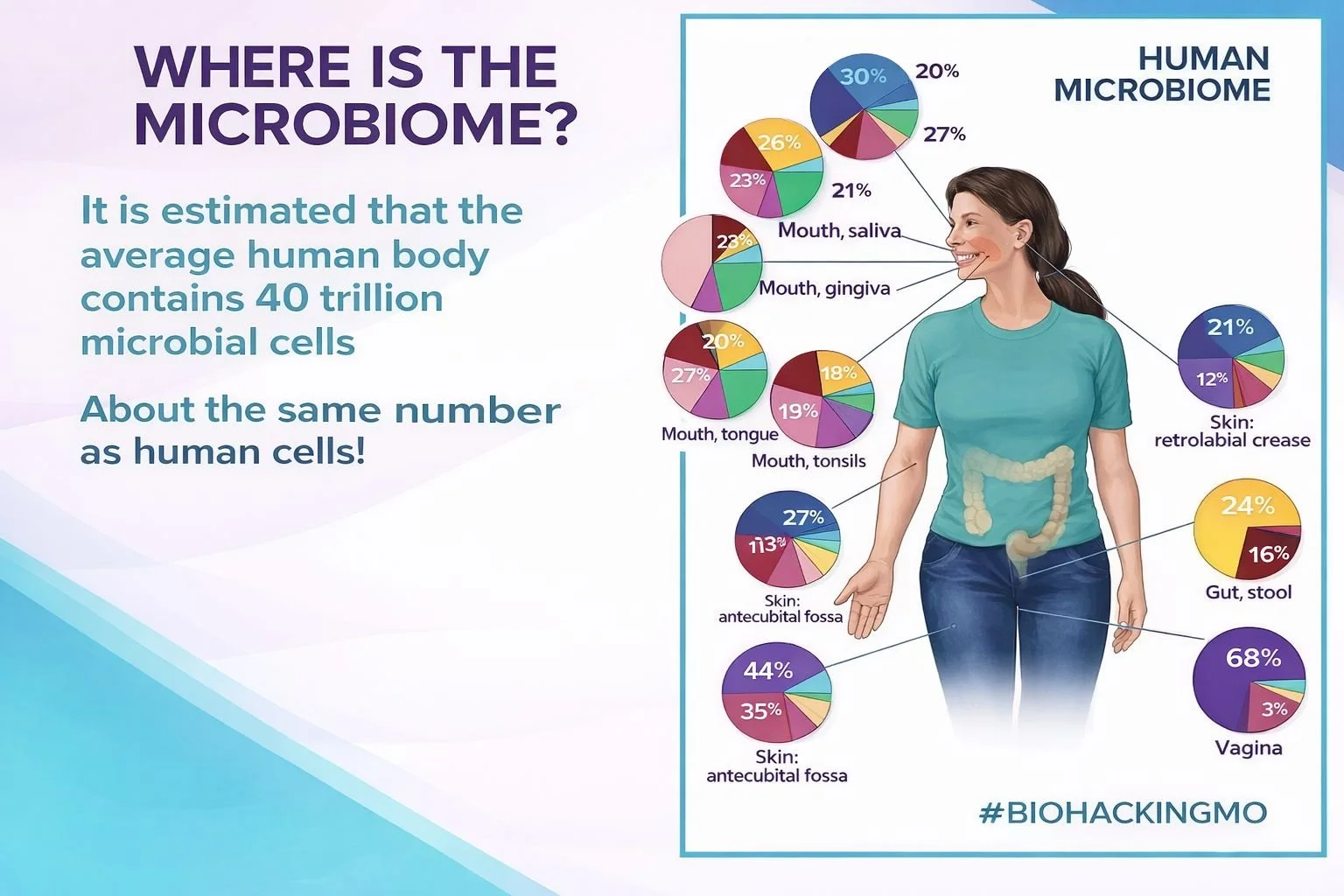
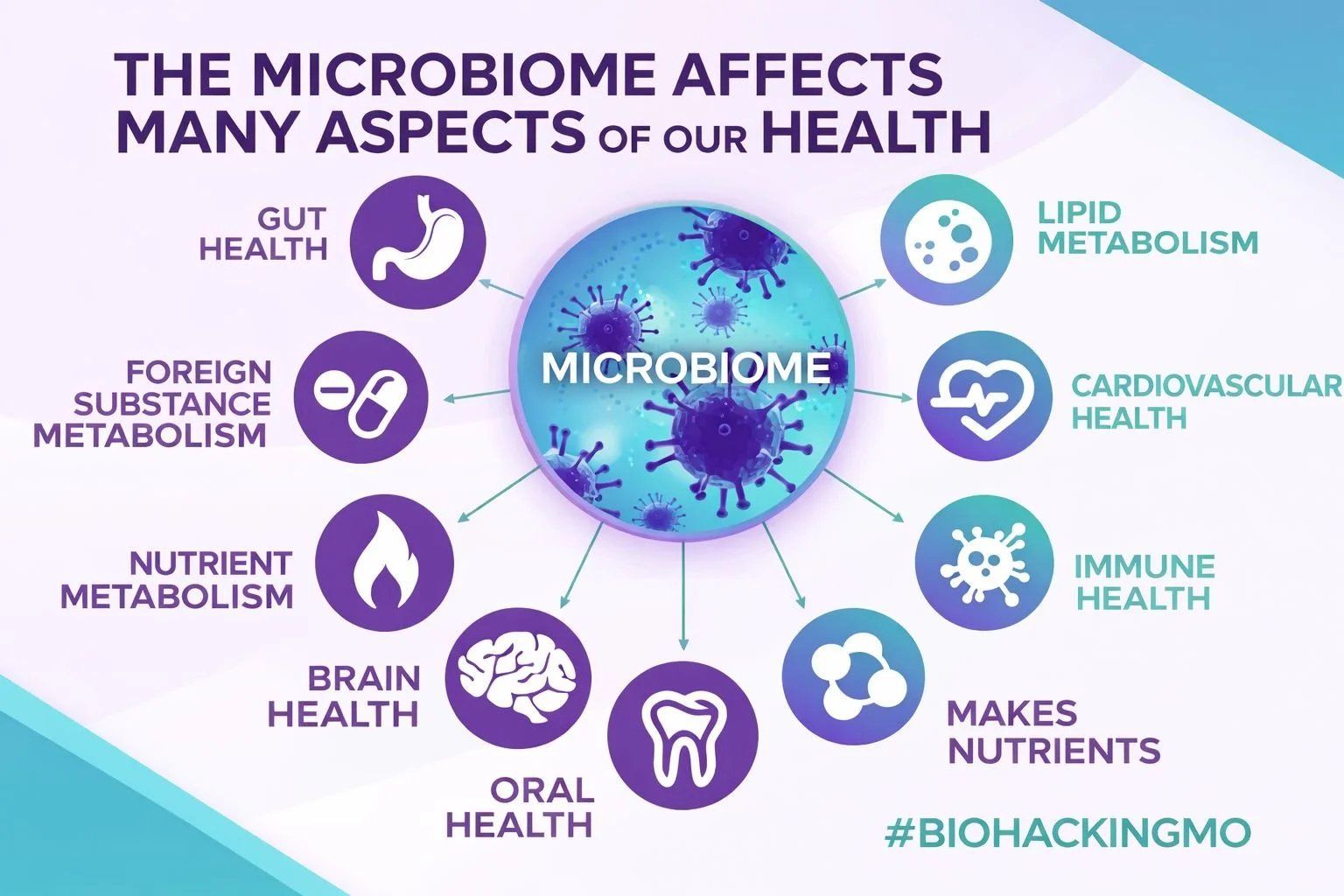
This is why gut imbalance rarely stays “just in the gut.”
Common Signs of Gut Imbalance
If your microbiome is out of balance, you may notice:
Bloating, gas, constipation, or diarrhea
Persistent fatigue
Brain fog or difficulty concentrating
Increased sugar cravings
Frequent illness
Skin flare-ups such as eczema, acne, or rashes
Mood shifts or anxiety
Joint discomfort
Poor sleep
Difficulty maintaining a healthy weight
These symptoms are not random.
They are communication.
Your body is constantly signaling what it needs. The question is whether we’re listening.
The Inflammation–Microbiome Connection
The gut plays a key role in regulating immune activity and inflammatory signaling. When the microbiome becomes imbalanced — due to chronic stress, processed foods, environmental toxins, poor sleep, or certain medications — inflammatory responses can increase.
Over time, chronic low-grade inflammation may influence:
Cellular energy production
Hormonal stability
Metabolic efficiency
Skin integrity
Cognitive clarity and focus
This is why gut health is foundational to both daily vitality and long-term resilience.
How Stress Impacts Gut Health
One often-overlooked factor in microbiome imbalance is chronic stress.
Stress hormones can alter gut permeability, microbial diversity, and inflammatory pathways. This is one reason brain fog, fatigue, digestive issues, and mood shifts often show up together.
The gut and brain are in constant communication.
When one is dysregulated, the other feels it.
Supporting the Root, Not Just the Symptoms
Instead of chasing symptoms one by one, a root-level approach focuses on strengthening the systems that regulate balance:
Supporting oxidative stress regulation
Enhancing the body’s natural antioxidant response
Encouraging microbial diversity
Calming inflammatory signaling
Strengthening sleep and stress rhythms
When cellular health improves, systemic responses often shift.
Your body is intelligent.
Symptoms are signals — not failures.
If this resonates and you’re curious how a cellular-level strategy could support your gut health, energy, and long-term resilience, I invite you to take the next step.
You can schedule a complimentary Activation Call using the link below.
https://www.moniquemannen.com/contact
Prefer to start with a question? You’re always welcome to reach out through my contact page.